Why Scars Cause Problems
2 min read
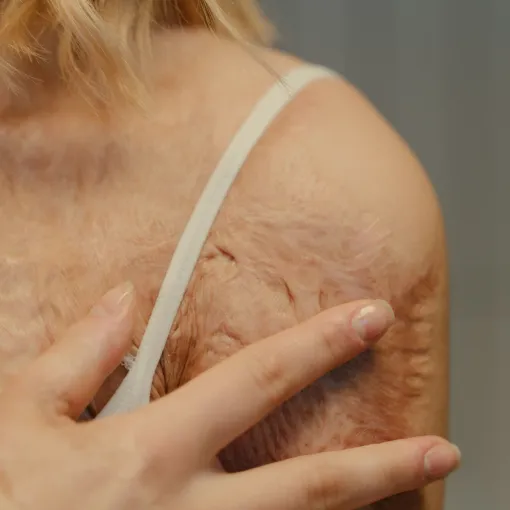
Pain, pulling, and numbness in a scar frequently share a common root cause. As the body forms scar tissue to heal the injured area unrelated structures may get caught in the crossfire. This can cause restriction and compression of the tissue resulting in low glide. As tissues heal, the connective tissues in between all the layers (skin, muscle, organs, they’re all linked with connective tissue) can adhere to themselves and cause the tissue to be stuck. These are some of the most common symptoms experienced with problematic scar tissue.
In order to move properly tissues have fluid between the layers allowing them to glide past one another. If there is restriction in the connective tissue causing a compression between the layers we lose that ability to glide. When we lose this glide it can feel like that area is stuck, so trying to move it creates a pulling sensation. The connective tissues also contain a lot of our pain receptors. What happens when pain receptors get squished? Well, let’s just say they don’t like it and they’re not afraid to tell you about it. Similarly these restrictions can trap nerves causing communication to get cut off. The nerves may have healed fine but aren’t able to communicate through the restriction. Compression and restriction of the healed tissues is public enemy number one when it comes to a normal, pain free scar. You heard that right. A pain free scar is normal. That’s why we need to address these concerns.
Some of the best things to do for problematic scarring are movement and massage, on your own or with a trained professional. Both if you want to be really effective. Movement stimulates the cells that create hyaluronan, the body’s internal lubricant. Massage stimulates the nervous system to change tension and improve movement. There are so many ways to make changes to scar tissue. You deserve a normal, mobile, pain free scar. Follow along if you’re looking for more info on the hows and whys of healing and scar care. Happy healing!